Christy Lynn

Quick answer: The original LUNA collapsed in May 2022 when its sister stablecoin, TerraUST (UST), lost its dollar peg, wiping out roughly $40 billion in value. The old chain continues as Terra Classic (LUNC), and a new chain launched as Terra (LUNA, sometimes called LUNA 2.0). Both still trade on some exchanges, but both are highly speculative. Terra co-founder Do Kwon was sentenced to 15 years in prison in December 2025 for fraud tied to the collapse. We don’t recommend buying either token for most investors.
What was Terra LUNA?
Terra was a blockchain built around algorithmic stablecoins, most notably TerraUST (UST), which aimed to stay at $1 by letting users swap it with LUNA. A lending app called Anchor paid close to 20% interest on UST, attracting billions of dollars. LUNA rose to become one of the largest cryptocurrencies by market value in early 2022.

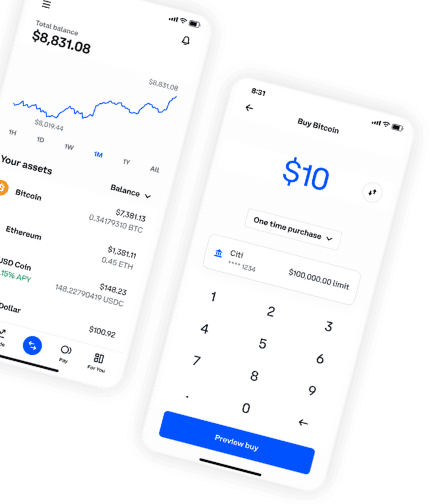
Buy your first crypto on Coinbase
- Easiest app for beginners
- Start with a few dollars
- New-user bonus paid in Bitcoin
Bonus terms are set by Coinbase and change often. Affiliate link. Read our Coinbase review
How LUNA collapsed
In May 2022, large withdrawals from UST broke its $1 peg. As people redeemed UST for newly minted LUNA, the LUNA supply exploded from hundreds of millions to trillions of tokens in days, and its price fell more than 99.99%. The crash spread across crypto, contributing to the bankruptcies of lenders like Celsius, Voyager and Three Arrows Capital later that year.
What happened next
- Two chains: the original chain was renamed Terra Classic (LUNC), and a new chain without the stablecoin launched as Terra (LUNA), with tokens airdropped to former holders.
- Terra Classic today: LUNC is maintained by a volunteer community. Exchanges such as Binance periodically burn LUNC to reduce its enormous supply, but the supply remains in the trillions.
- Legal fallout: Terraform Labs agreed to a multibillion-dollar settlement with the SEC in 2024, and Do Kwon pleaded guilty to fraud charges in the US in 2025. He was sentenced to 15 years in prison in December 2025.
Where do LUNC and LUNA trade?
Some large exchanges still list LUNC and/or LUNA, though availability varies by country, and US options are limited. If you decide to trade them anyway, use a reputable exchange, keep the amount small, and never use leverage. Compare exchanges in our list of the best crypto exchanges.
Lessons from the Terra collapse
- High, steady yields are a warning sign. Anchor’s ~20% interest was subsidized and unsustainable.
- Algorithmic stablecoins can fail. Stablecoins backed by cash and Treasury bills, like USDC, work very differently from UST.
- Concentration is risky. Never put a large share of your savings into one token or platform.
Learn to spot warning signs in our guides to how to research cryptocurrency and crypto scams.
Free masterclass
Learn crypto the right way.
Christy Lynn’s free beginner course, straight to your inbox. Plain English, never spammy.
Join free and get one 5-minute lesson in your inbox every 1–2 days:
✅ What crypto actually is, in plain English
✅ The 5 safety rules that protect your money from scams
✅ Where to buy, and exactly how to invest your first $100
✅ How to store your crypto safely and earn staking rewards
✅ How to research coins and handle crypto taxes
No hype, no spam. Unsubscribe anytime.
Frequently asked questions
Can LUNC go back to $1?
Extremely unlikely. With trillions of tokens in circulation, $1 per LUNC would require a market value larger than the entire crypto market.
What is the difference between LUNA and LUNC?
LUNC is the original token on the collapsed Terra Classic chain. LUNA is the token of the new Terra chain launched after the collapse.
What happened to Do Kwon?
He pleaded guilty to fraud charges in the US and was sentenced to 15 years in prison in December 2025.
Should I buy LUNA or LUNC?
For most investors, no. Both are speculative tokens with a history of catastrophic losses. If you want crypto exposure, start with established assets. See best cryptocurrencies to invest in.