©2026 Cryptocurrency Haus. All Rights Reserved.
Content is for educational purposes only and is not financial advice. This site contains affiliate links to products and services. We may receive a commission for purchases made through these links.
Wallets & safety
Wallet reviews, setup guides and security basics, so you know exactly where your crypto lives and how to keep it out of a scammer’s hands.
The basics
Easiest to start, but the exchange holds your keys. Fine for small amounts you trade often.
Free apps like MetaMask or Trust Wallet. You control the keys, and they’re always online, so stay alert for scams.
A device like a Ledger or Trezor keeps keys offline. Best for larger amounts you hold long term.
Most popular
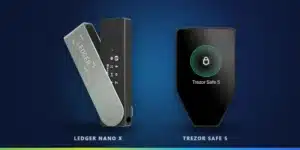
Ledger, Trezor and BitBox compared on security, price, supported coins and ease of use, with picks for every budget.
Wallet reviews
Wallets by coin
Stay safe
Every guide












FAQ
Not to get started, because your exchange holds your crypto. Once you hold an amount you’d hate to lose, or plan to hold long term, a wallet you control is safer.
A hot wallet is software connected to the internet, which is convenient but more exposed to hacks and phishing. A cold wallet, usually a hardware device, keeps your keys offline.
If you lose your device and your seed phrase, your crypto is gone for good. Write the phrase down on paper or metal, store it somewhere safe and offline, and never photograph it.
Reputable exchanges are generally secure for everyday amounts, but you’re trusting them with your keys. For large or long-term holdings, a hardware wallet is safer.
Protect what you own
It’s the single best upgrade to your crypto security.

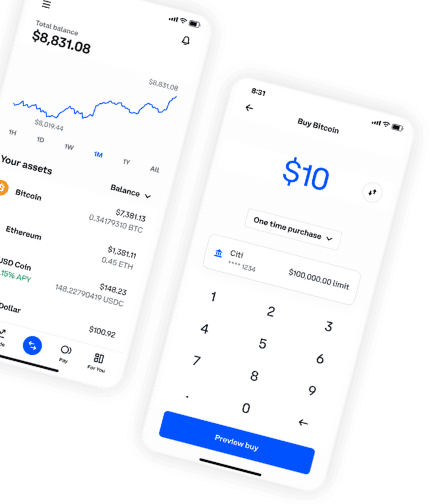
Sign up for Coinbase today and get up to $200 in Bitcoin when you place your first trade.
We use cookies for analytics and to give you the best experience. GOT IT Privacy Policy