Christy Lynn

Web3 is the term technologists use to refer to the new generation of the internet built using a decentralized system. This decentralized system is similar to the one used by cryptocurrencies like Bitcoin and Ethereum, which uses a decentralized blockchain. The term “Web3” was coined in 2014 by Ethereum co-founder Gavin Wood and became a buzzword in 2021 and 2022. Packy McCormick, an investor who helped popularize Web3, defined it as “the internet owned by the builders and users, orchestrated with tokens.”
What is Web3?
Web3 is the latest generation of the internet. Web1 is the internet we are all used to using for our search queries and assignments. Web2 is the peak of social media usage and interaction, and now Web3 is the “next big thing.”
Quick answer: Web3 is the idea of an internet where users own their data, money and digital assets through blockchains and crypto wallets, instead of relying on big tech platforms. Today the most real parts of Web3 are stablecoins, decentralized finance (DeFi), NFTs and onchain apps you log into with a wallet. Much of the early hype has cooled, but the underlying technology keeps growing.


Keep your keys offline with a Ledger
- Stops phishing and malware from moving your coins
- Supports thousands of coins and tokens
- Works with phone and desktop
Buy only from the official store. Affiliate link. Compare hardware wallets
What are Web1 and Web2?
Web1 is the first publicly available version of the internet. It was made chiefly of static web pages and built using open internet protocols like HTTP and FTP. It mainly comprised of blogs and message boards.
In Web 2.0, people could publish their own content on the internet through social media platforms like YouTube, Twitter, Facebook, and Instagram; the significant growth drivers were smartphones and cloud computing. The major problem with Web2 is that big companies are monetizing people’s data. For example, in exchange for some “free” services, you are required to provide certain information. The provided information is then stored and used to make future recommendations on the type of ads you see while browsing the web.
Benefits of Web3
Different people have different views on what Web3 is and how it can be used. Majorly, Web3 is still in progress, but an underlying characteristic everyone agrees about Web3 is that it will be decentralized, and power will reside with the users. It is also expected that Web3 will be connected to the Metaverse.
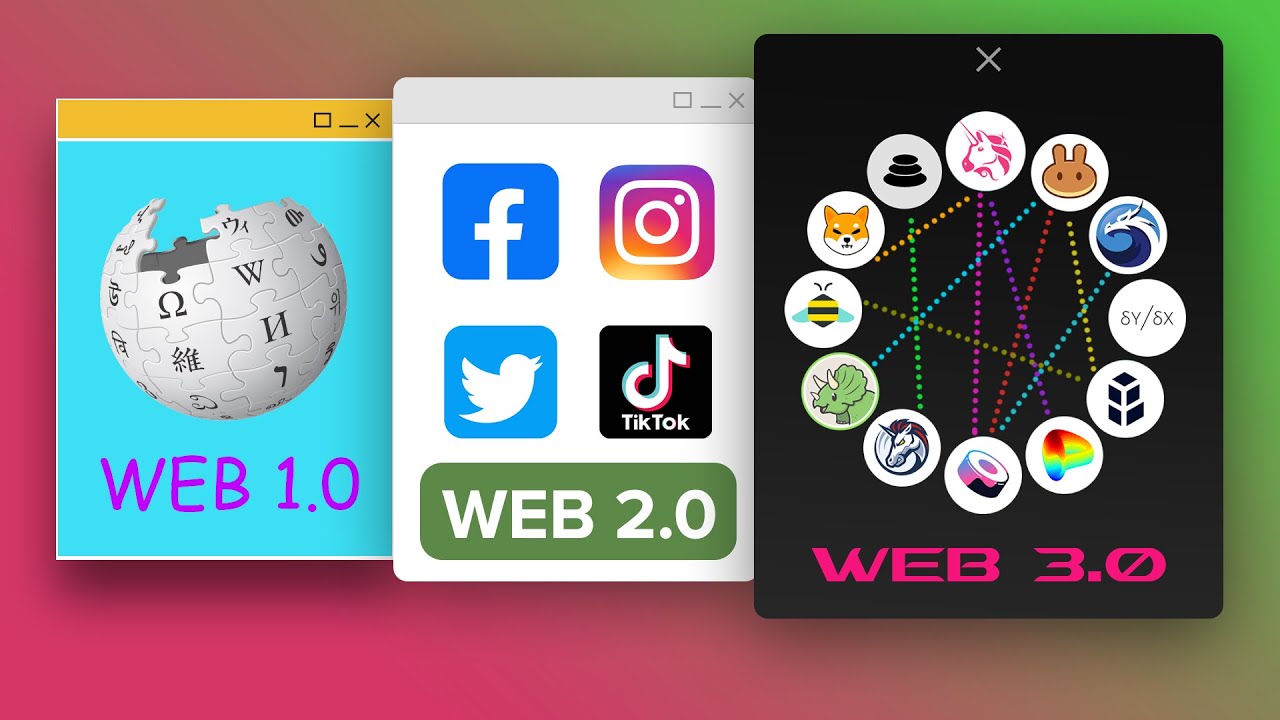
Web3 promises to correct the problems associated with Web2 through decentralization.
Decentralization
In today’s world, there is always a form of regulation, either in the form of government or corporations. Even our social media accounts are regulated based on the platform’s rules and, ultimately, your country of residence.
However, decentralization uses encryption and distributed computing to maintain the integrity of the network. Encryption secures the data by ensuring only those permitted can access the data, while distributed computing stores the data across different systems worldwide. If a copy of the data in one location does not match the other data records, it is considered null and void. The concept of decentralization takes away gatekeeping. Since no one person controls access, there is no chance of digital autocracy or restrictions by a single entity. A peer network verifies, similar to cryptocurrency networks, whatever goes on the web before it goes live.
Asides from the obvious benefits, a decentralized Web3 promises to give people broader access to the internet. A popular example of a Web3 application is the blockchain.
Artificial Intelligence
Many believe that artificial intelligence will have a huge role to play in Web3. Web3 requires a large amount of decision-making and machine-to-machine communication that will entail artificial intelligence.
The Metaverse
Metaverse is a virtual immersive digital world where people can socialize, buy virtual real estate, and carry out numerous other activities – just like in the real world. Facebook renamed itself Meta in 2021 to bet on the metaverse, although the company has since shifted much of its focus to artificial intelligence. Web3 is believed to be a critical foundation for the Metaverse because they both share the decentralization component. If the Web3 dream materializes, many objects in the Metaverse could be used as crypto tokens.
Web3 Is Still In Progress
“Then why all the hype?” you may ask. Well, there has been a lot of publicity, and FOMO spread regarding this topic. Web3 is still developing and very much in its infancy. Most of what we know about Web3 currently is theoretical and an ideal case scenario. Anyone interested in understanding Web3 will be doing a lot of studying on cryptocurrencies and blockchain.
There are also some unanswered questions about Web3 architecture. For example, the issue of staying anonymous – if everything was accessible by whoever is on the network, people who need to remain anonymous due to the nature of their jobs will be in serious trouble.
Also, since there is no regulating body, hate speech and false information could be spread indiscriminately on the network. We will also have issues with erasing information – not everything placed on the internet should be there. In today’s world, certain information is deleted from circulation when needed, but that will be impossible with Web3.
Skeptics believe Web3 is impossible when viewed from a technical standpoint. They state that blockchains cannot handle the amount of data being processed by big tech companies and are slower than regular databases. On the other hand, some people believe that Web3 is an attempt at digital colonization by the wealthy. They think it is a method of paying lip service to decentralization while the rich go on to create even more centralized networks where they become the middlemen.
What are regulators saying about Web3? Rules have become much clearer since 2022. The EU’s MiCA regulation now covers crypto services across Europe, and the US passed the GENIUS Act in 2025 to regulate dollar-backed stablecoins. Some countries still ban or heavily restrict crypto.
Web3 today: what actually took off
- Stablecoins: dollar-pegged tokens like USDC and USDT move hundreds of billions of dollars and are the most widely used Web3 product.
- Decentralized finance (DeFi): apps like Uniswap and Aave let you trade, lend and borrow without a bank.
- Wallet-based logins: many apps let you sign in with a crypto wallet instead of a username and password.
- Tokenized assets: banks and asset managers now issue tokenized funds and Treasury bills on public blockchains.
- What cooled off: metaverse land and most NFT collections lost much of their value after 2022.
The Bottom Line
Web3 is still developing, and we can only predict what it will be like or if it will actually materialize. A significant hurdle Web3 and decentralization will face is regulation from the government, and this is a political conversation. However, like any previous invention, time will determine how it will be adapted and how people will react to the development.
More components may be inaugurated into Web3, or some parts of it may be put on hold for it to be adapted. However, there is still enough time to learn and understand what Web3 is before it comes into full force.
Free masterclass
Learn crypto the right way.
Christy Lynn’s free beginner course, straight to your inbox. Plain English, never spammy.

Join free and get one 5-minute lesson in your inbox every 1–2 days:
✅ What crypto actually is, in plain English
✅ The 5 safety rules that protect your money from scams
✅ Where to buy, and exactly how to invest your first $100
✅ How to store your crypto safely and earn staking rewards
✅ How to research coins and handle crypto taxes
No hype, no spam. Unsubscribe anytime.
Frequently asked questions
Is Web3 the same as crypto?
Not exactly. Crypto tokens are a building block of Web3, but Web3 also includes wallets, decentralized apps and digital ownership more broadly.
How do I use Web3?
Set up a self-custody wallet, buy a small amount of crypto, and try a well-known app. Start with our list of the best Ethereum wallets.
Is Web3 safe?
The technology works, but scams and hacks are common. Never share your recovery phrase, and double-check every transaction before you sign it.