Christy Lynn

Quick answer: Bitcoin mining means running specialized computers (ASIC miners) that secure the Bitcoin network in exchange for newly created bitcoin and transaction fees. Since the April 2024 halving, each block pays 3.125 BTC. Mining at home is legal in most places, including the US, but it is only profitable with efficient hardware and cheap electricity. Most beginners join a mining pool, and many find simply buying bitcoin cheaper.
How Bitcoin mining works
Bitcoin transactions are grouped into blocks roughly every 10 minutes. Miners race to find a valid “hash” for the next block by making trillions of guesses per second. The first miner to find one adds the block to the blockchain and earns the block reward plus the fees inside the block. This proof-of-work system makes the ledger extremely expensive to tamper with, which is what keeps Bitcoin secure.
Every 210,000 blocks (about four years) the reward is cut in half. The most recent halving was in April 2024 (6.25 to 3.125 BTC), and the next is expected around 2028, when it drops to 1.5625 BTC.

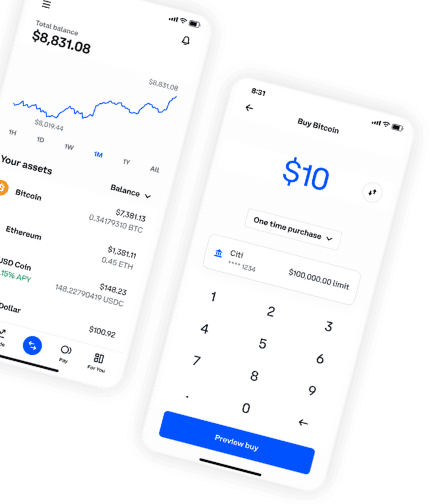
Buy Bitcoin directly on Coinbase
- No hardware or power bills
- Start with a few dollars
- New-user bonus paid in Bitcoin
Bonus terms are set by Coinbase and change often. Affiliate link. Read our Coinbase review
What you need to mine Bitcoin
- An ASIC miner: computers, gaming PCs and graphics cards can’t compete anymore. Current-generation machines such as Bitmain’s Antminer S21 and S23 series lead the market. The most efficient models need about 9.5–15 joules per terahash, and the top units are water-cooled.
- Cheap, reliable power: electricity is the biggest ongoing cost. Large operations target a few cents per kWh, while typical US household rates make most home setups unprofitable.
- A place to run it: ASICs are loud (often 70+ decibels for air-cooled units), produce a lot of heat and usually need a 240V circuit. Garages and dedicated spaces work better than living areas.
- A mining pool: pools combine miners’ computing power and split rewards, so you get small, steady payouts instead of waiting years to find a block alone.
- A Bitcoin wallet: to receive payouts. A hardware wallet is the safest choice for long-term storage.
How to start mining, step by step
- Run the numbers first: use a mining profitability calculator with your machine’s hashrate, power draw and your actual electricity price. Include the purchase price and expect network difficulty to rise.
- Buy hardware from a reputable seller: used machines are cheaper but older models may cost more in electricity than they earn.
- Set up power, cooling and networking: follow the manufacturer’s electrical requirements. Overloaded household circuits are a real fire risk.
- Configure the miner: log in to its web dashboard, enter your pool’s address and your worker name, and save.
- Monitor and maintain: check hashrate, temperatures and payouts regularly, and clean dust from fans.
Is Bitcoin mining profitable in 2026?
It depends almost entirely on your electricity cost and hardware efficiency. Miners track hashprice, the expected daily revenue per unit of hashrate, which ranged roughly between $30 and $40 per petahash per day in 2026. Efficient machines on cheap power remain profitable, but a typical home setup on residential electricity often breaks even or loses money. Revenue also swings with the price of bitcoin and transaction fees.
Hobby options: lottery and small miners
If you want to participate for fun, small open-source devices such as the Bitaxe use little power and can “solo mine,” giving you a tiny chance of winning a full block reward. Treat them as a lottery ticket, not an income source.
Avoid cloud-mining scams
Many “cloud mining” sites promise fixed daily returns for renting hashpower. Most are unprofitable at best and outright scams at worst. If returns sound guaranteed, walk away. Learn the red flags in our guide to crypto scams.
Free masterclass
Learn crypto the right way.
Christy Lynn’s free beginner course, straight to your inbox. Plain English, never spammy.

Join free and get one 5-minute lesson in your inbox every 1–2 days:
✅ What crypto actually is, in plain English
✅ The 5 safety rules that protect your money from scams
✅ Where to buy, and exactly how to invest your first $100
✅ How to store your crypto safely and earn staking rewards
✅ How to research coins and handle crypto taxes
No hype, no spam. Unsubscribe anytime.
Frequently asked questions
Can I mine Bitcoin at home?
Yes, if your local laws allow it and you have the electrical capacity, ventilation and tolerance for noise. Check your electricity rate first, since it decides whether home mining makes sense.
Is it legal to mine Bitcoin?
Bitcoin mining is legal in the US and most countries, but some countries restrict or ban it, and some local governments regulate noise or power use. Mining income is generally taxable, so see our crypto tax guide.
When will Bitcoin mining end?
New bitcoin will keep being issued, in ever-smaller amounts, until roughly the year 2140. After that, miners will be paid only through transaction fees.
Is it cheaper to buy bitcoin than to mine it?
For most individuals, yes. Learn how to buy Bitcoin in a few minutes.